The total cost for a 2,000-square-foot concrete slab in Kansas City depends on thickness, reinforcement, access, and finish type. For most garages, shops, or basement floors, the job involves excavation, base prep, rebar, formwork, and view details finishing—each adding to the overall budget. Let’s break down what goes into that price tag so you can evaluate contractor estimates accurately.
Key Cost Drivers
- Thickness: 4 inches for light-duty, 6 inches for vehicles or machinery. More thickness = more material and labor. Reinforcement: Wire mesh or #4 rebar on chairs improves crack control and load capacity. Access & grading: Limited truck access or poor site conditions increase labor time for wheelbarrow or pump delivery. Base prep: Compacted DGA/AB-3 base (4–6") with geotextile where soils are weak, as is common in KC’s clay. Finish type: Basic broom finish costs less than decorative stamping or troweled interior finishes.
What Homeowners Should Expect
Most reputable Kansas City contractors price slabs as a complete package: formwork, steel, pour, finish, and curing. They include concrete (measured in cubic yards), reinforcement, and finishing labor, along with sawcut control joints and curing compounds. Some also bundle cleanup and backfill after form removal.

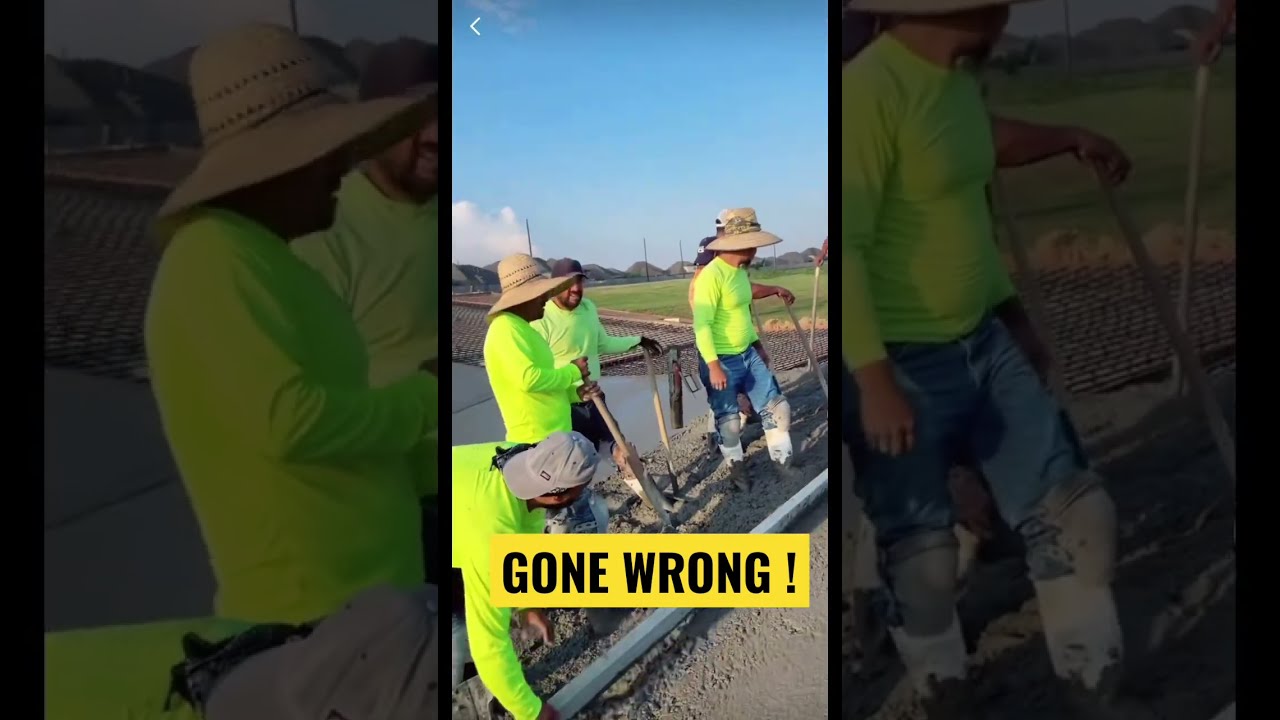

Factors Unique to KC Projects
- Weather: Hot summers accelerate setting times; contractors schedule early morning pours to reduce finishing rush. Clay soils: Subgrade moisture and movement demand proper compaction and often thicker base layers. Drainage: City and county codes require slope away from structures; precision grading adds cost but prevents long-term issues.
Ways to Control Costs
- Bundle with other work: Combining driveway or sidewalk replacement with your slab saves on mobilization. Plan access: Make sure trucks can get close. Every extra 20 feet of buggying adds time and labor. Keep design simple: Rectangular shapes and minimal edge forming reduce setup and finishing hours.
Quality Indicators Worth Paying For
- Proper joint spacing (≈24–30× slab thickness in inches). Air-entrained mix rated 4,000–5,000 PSI for freeze–thaw durability. Immediate curing and clean joint cuts within the first 12–24 hours.
Bottom Line
For a 2,000 sq ft slab in Kansas City, focus on contractor quality, not just unit cost. Crews that follow proper compaction, reinforcement, and curing procedures deliver slabs that last decades in KC’s climate. Cheaper shortcuts can cost double in repairs later.